
Travel Guide · South Coast
Galle Fort — colonial stone by the sea
A Dutch-walled town of cobbled lanes and cafés you don’t tour so much as wander into.
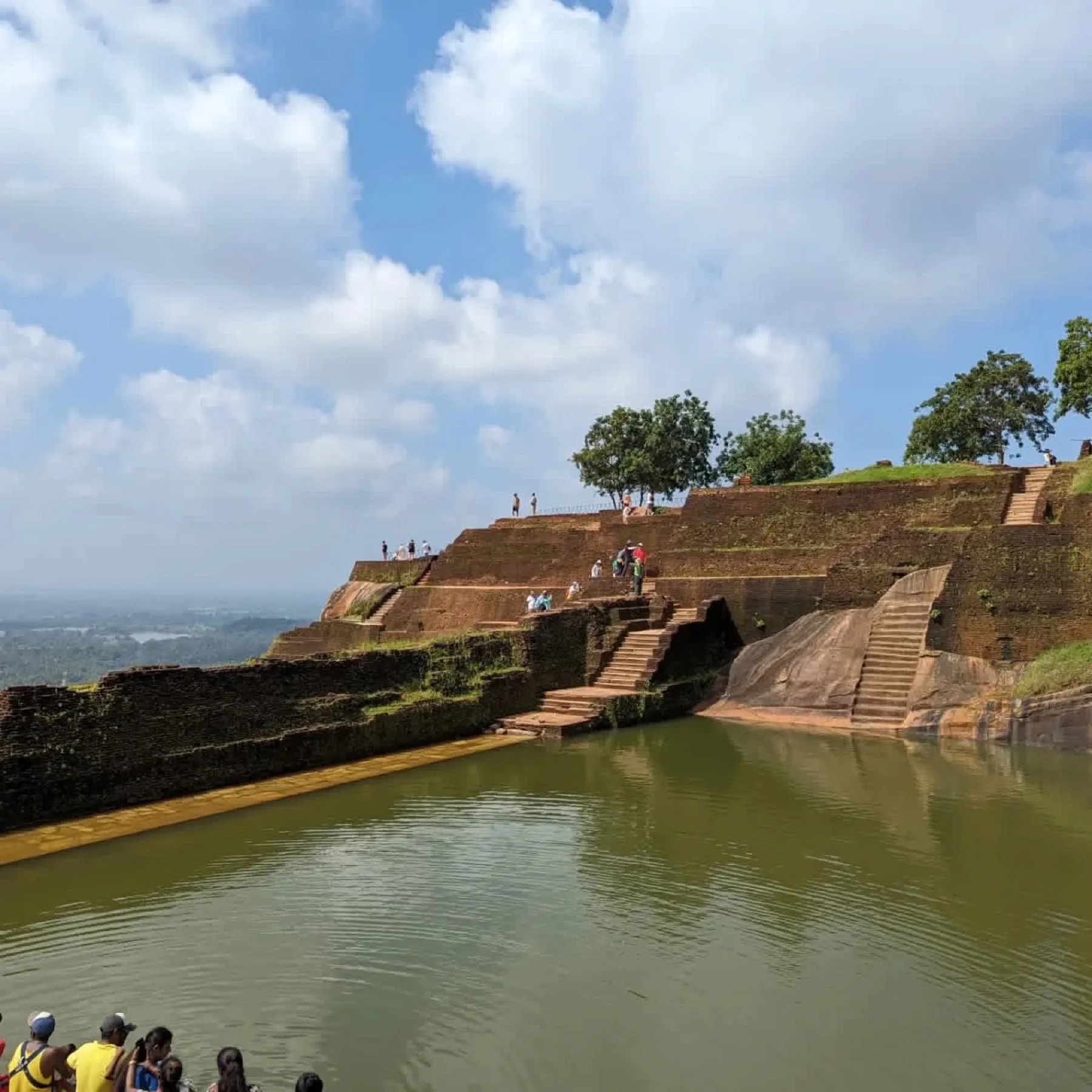
Some places you visit; Galle Fort you simply wander into and lose an afternoon. It’s the best-preserved colonial sea fortress in South Asia — a whole walled town jutting into the Indian Ocean, where cobbled lanes run between Dutch merchant houses, old churches and a clutch of the most stylish cafés, galleries and boutiques on the island. And because it’s a living town rather than a roped-off monument, there’s no single sight to tick off; the pleasure is the wandering itself.
The Portuguese built the first fort here at the end of the sixteenth century, after a storm blew their fleet into the natural harbour. But it was the Dutch, who took Galle in 1640, who gave it the shape you see today — vast ramparts of coral and granite enclosing a grid of streets, with bastions named for the virtues and the seasons. When the British took over in 1796 they largely left the walls alone, adding a lighthouse and a few institutions. Three colonial powers, one remarkably intact town: that layering is exactly what earned Galle Fort its UNESCO World Heritage listing.
I drop my guests right by the main gate and let them set off on foot, because the fort is small enough to cross in twenty minutes and rich enough to fill half a day. Walk the full circuit of the ramparts and you pass the old powder magazine, the Dutch Reformed Church with its gravestone floor, the squat white lighthouse at the southern tip, and the mosque beside it — a reminder of the Muslim trading families who have lived inside these walls for generations. Down in the lanes, the merchant houses have become design shops, gem dealers, jewellers and tea rooms, and the whole place has a slow, salt-washed elegance that the rest of the south coast doesn’t quite match.
Time it for late afternoon. As the heat eases, the ramparts fill with local families out for a stroll, boys leaping from the walls into the sea below, and couples watching the sun drop into the ocean from the lighthouse end. Sunset on the Galle ramparts is one of those simple, free pleasures that stays with people long after the trip — and it’s why I’d always rather have you here at five than at noon.
What makes Galle so easy to reach is the Southern Expressway, the E01, which runs from Colombo almost to the southern tip of the island. It turns what was once a long crawl down the coast road into a smooth two-hour drive, so Galle works either as a day trip from the south-coast beaches or as the elegant finishing point of a longer tour. I use the expressway for the distance and the old coast road for the scenery, depending on what you want from the day.
And that’s really the point of the fort within a south-coast trip: it’s the cultural counterweight to the beaches. You can spend your mornings swimming at Unawatuna, whale-watching off Mirissa or surfing at Weligama, all a short drive away, and your evenings inside the walls of Galle over dinner and a wander. I’ll often build the last two or three nights of a tour around the fort for exactly that reason — it’s a soft, civilised landing at the end of a busy itinerary.
Galle has a cultural life beyond its walls, too. The old harbour that first drew the Portuguese now holds a small but excellent Maritime Archaeology Museum, telling the story of the shipwrecks and the spice trade that built the town. The fort hosts a well-known literary festival in season, and just outside the ramparts stands the Galle International Stadium — one of the most beautiful cricket grounds in the world, with the fort walls as its backdrop. On a match day you can watch international cricket for free from the ramparts themselves, alongside half the town.
From the driver’s seat: the lanes inside the fort are pedestrian-friendly but parking around the entrance is tight, so it’s genuinely easier to be dropped off and collected than to drive in yourself. Bring a hat for the exposed ramparts, leave time to get pleasantly lost, and if you like a particular gallery or jeweller, tell me — I know which of the gem dealers are reputable and which to walk past. Galle is best taken slowly, with no schedule and a sunset to aim for.