
Travel Guide · Cultural Triangle
Sigiriya — the Lion Rock, and why we leave before breakfast
The granite plug rising 180 metres off the plain, crowned by a fifth-century palace — and the reason I get you to the gate before nine.
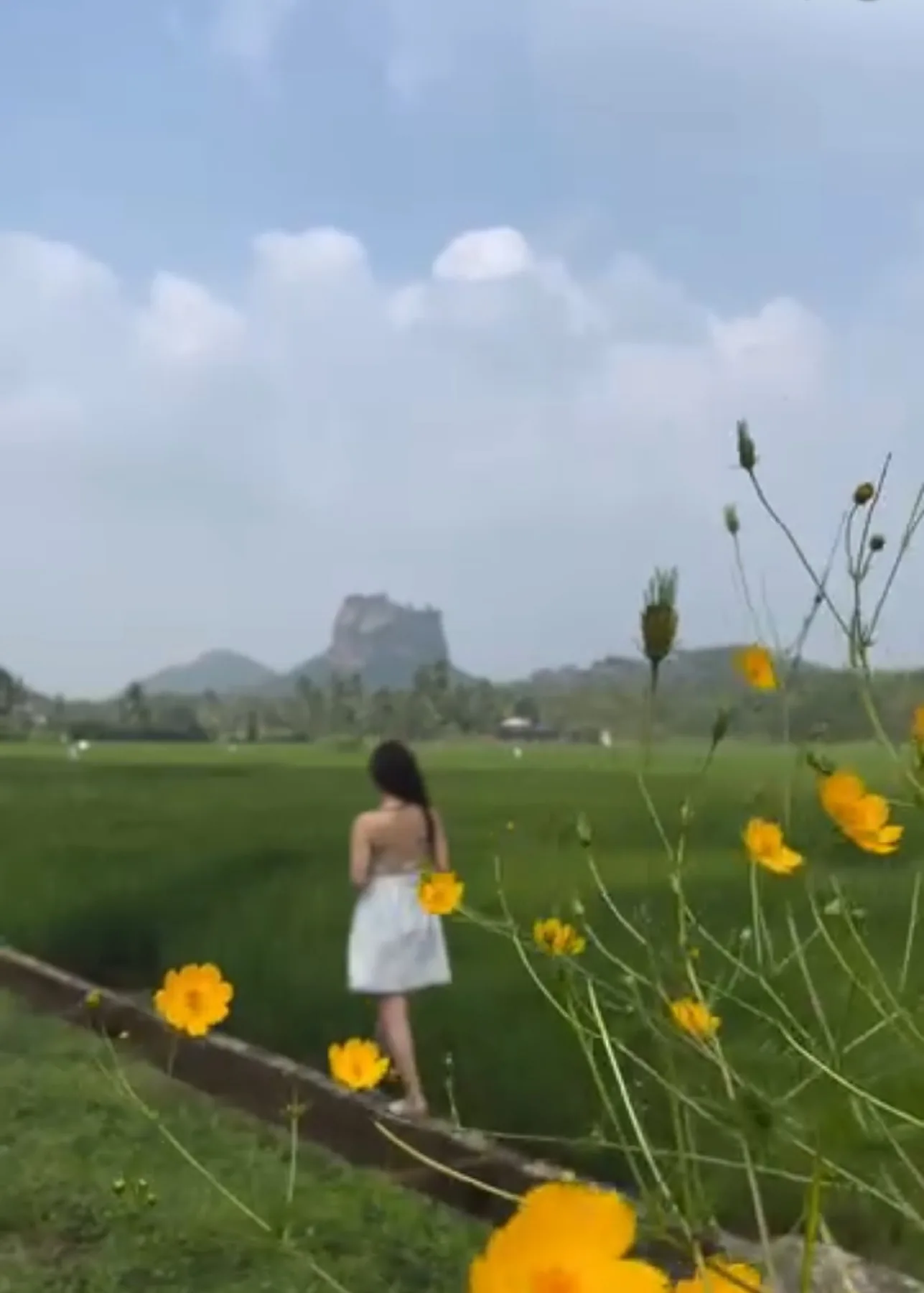
There’s a moment about two-thirds of the way up Sigiriya when the staircase opens out and the whole plain falls away beneath you, and every guest I bring here goes quiet. The Sigiriya Rock Fortress is a single granite volcanic plug rising 180 metres straight off the flat, and on its summit sit the ruins of a fifth-century royal palace — a palace, a fortress and a garden fused onto one rock. There is nothing else quite like it in Sri Lanka, and most people who climb it call it the highlight of the whole trip.
The story behind it is as dramatic as the rock. In the late fifth century, King Kashyapa seized the throne from his father and, fearing the half-brother he had cheated of the crown, moved his capital up here where no army could easily reach him. For eighteen years he ruled from the summit, building water gardens, audience halls and a palace in the sky. When his brother finally returned with an army, Kashyapa came down to meet him on the plain and lost — and the rock passed to Buddhist monks, who kept it as a monastery for centuries. You climb through all of that history on the way up.
Halfway up, in a sheltered gallery reached by a spiral stair, are the frescoes everyone comes for — the famous Sigiriya damsels, painted figures still glowing with colour after fifteen hundred years. Just past them runs the Mirror Wall, once polished so finely that the king could see himself in it, and now covered in graffiti — verses scratched by visitors between the eighth and tenth centuries, praising those same painted women. It is, in effect, the world’s oldest visitors’ book, and I always point it out, because it makes the place feel suddenly, humanly close.
Higher still you reach the Lion’s Paw terrace, where two enormous carved paws flank the final staircase. They are all that remains of a vast lion’s head that once framed the entrance — you climbed up through the lion’s mouth to reach the king. The name Sigiriya comes from this: Sinhagiri, the Lion Rock. From the paws it’s a steep set of metal stairs to the summit, where the foundations of the palace, the king’s throne and a rock-cut swimming pool still trace out the shape of a royal court in the clouds.
Don’t rush past the bottom, either. The symmetrical water gardens at the foot of the rock are among the oldest surviving landscaped gardens in the world, and their fountains — fed by underground channels — still bubble up in the wet season, fifteen centuries after they were engineered. It’s some of the most sophisticated hydraulic work of the ancient world, and it’s easy to miss if you’re only looking up.
Now the practical part, and the reason I plan the day the way I do. I get my guests to the gate before nine in the morning. The climb is around 1,200 steps, and Sigiriya bakes by mid-morning — before nine the stone is cool, the staircases are quiet, and you’re not queuing nose-to-tail on the narrow spiral up to the frescoes. From the airport it’s about 150 kilometres and three to three-and-a-half hours, so I fold in the Dambulla cave temples on the way up and have you settled in a hotel near the rock the night before. That way we’re at the foot of Sigiriya at first light, not battling the heat and the crowds at eleven.
For keen photographers, I’ve got one more trick. The best photograph OF Sigiriya isn’t taken from Sigiriya — it’s taken from Pidurangala, the rocky outcrop just to the north. Climb it at dawn and you get the Lion Rock glowing gold across the jungle, with a fraction of the people. I’ll happily run early risers there first, then over to Sigiriya itself once the gates open.
From the driver’s seat: wear shoes you can grip in, carry plenty of water, and don’t linger near the old fresco pocket where wasps sometimes nest — if they’re active, the staff close that section and you simply wait. There’s a fair bit of exposed metal staircase near the top, so if heights worry you, take it slowly and keep a hand on the rail. I wait at the bottom with cold water and the car; you take all the time you need up top. For most of my first-time guests, this is where the trip begins — get the history into your bones here, and the tea country and the beaches later feel like a reward you’ve earned.