
Travel Guide · Cultural Triangle
Kandy Esala Perahera & the Temple of the Sacred Tooth
A living temple, a royal relic and Kandy’s great annual procession — with the verified times, etiquette and 2026 dates that matter when you plan a visit.
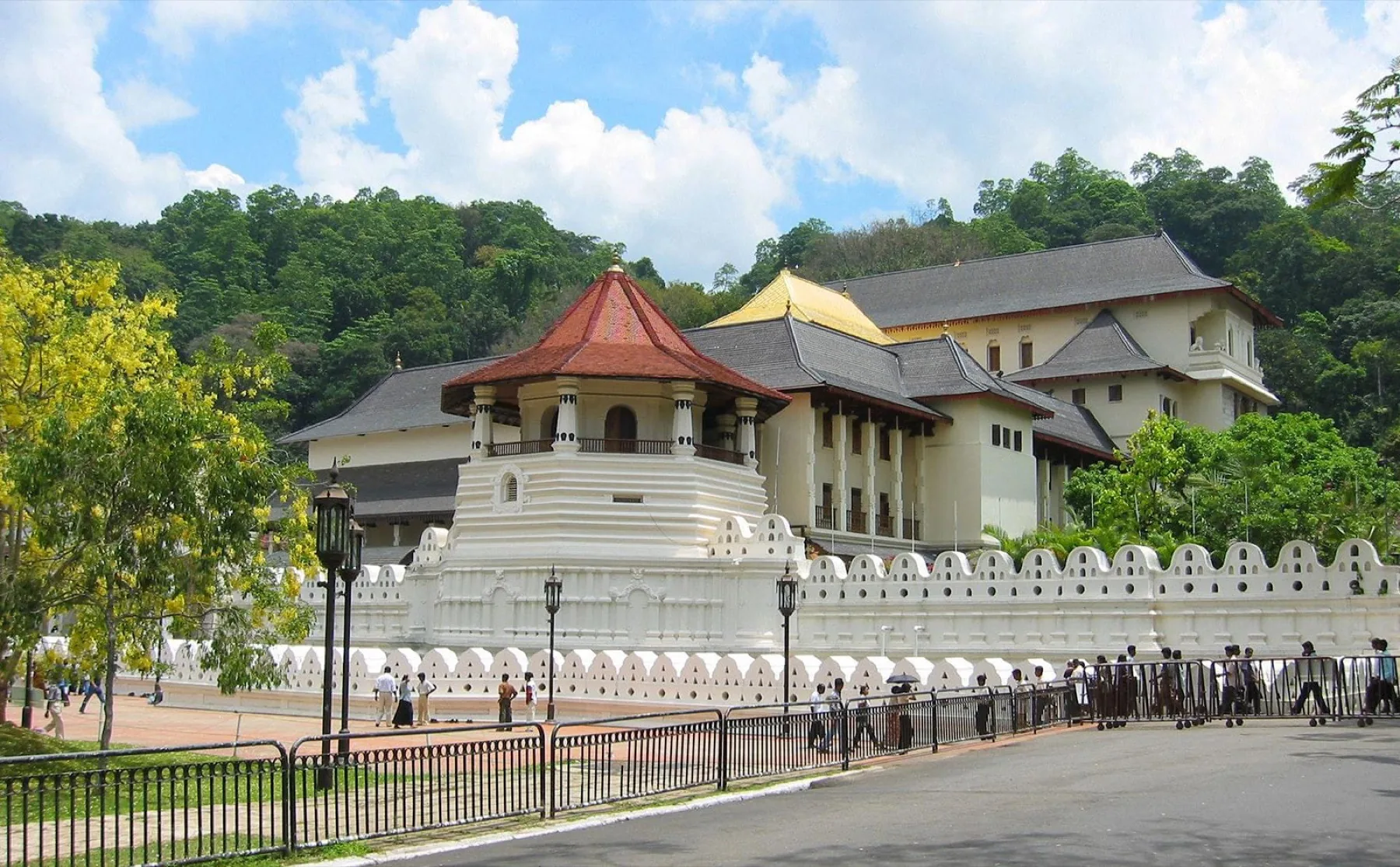
The Temple of the Sacred Tooth Relic is not simply another stop in Kandy. It is a working place of worship, part of the city’s former royal complex and the focus of Sri Lanka’s best-known annual procession. The best visit begins with understanding that living connection.
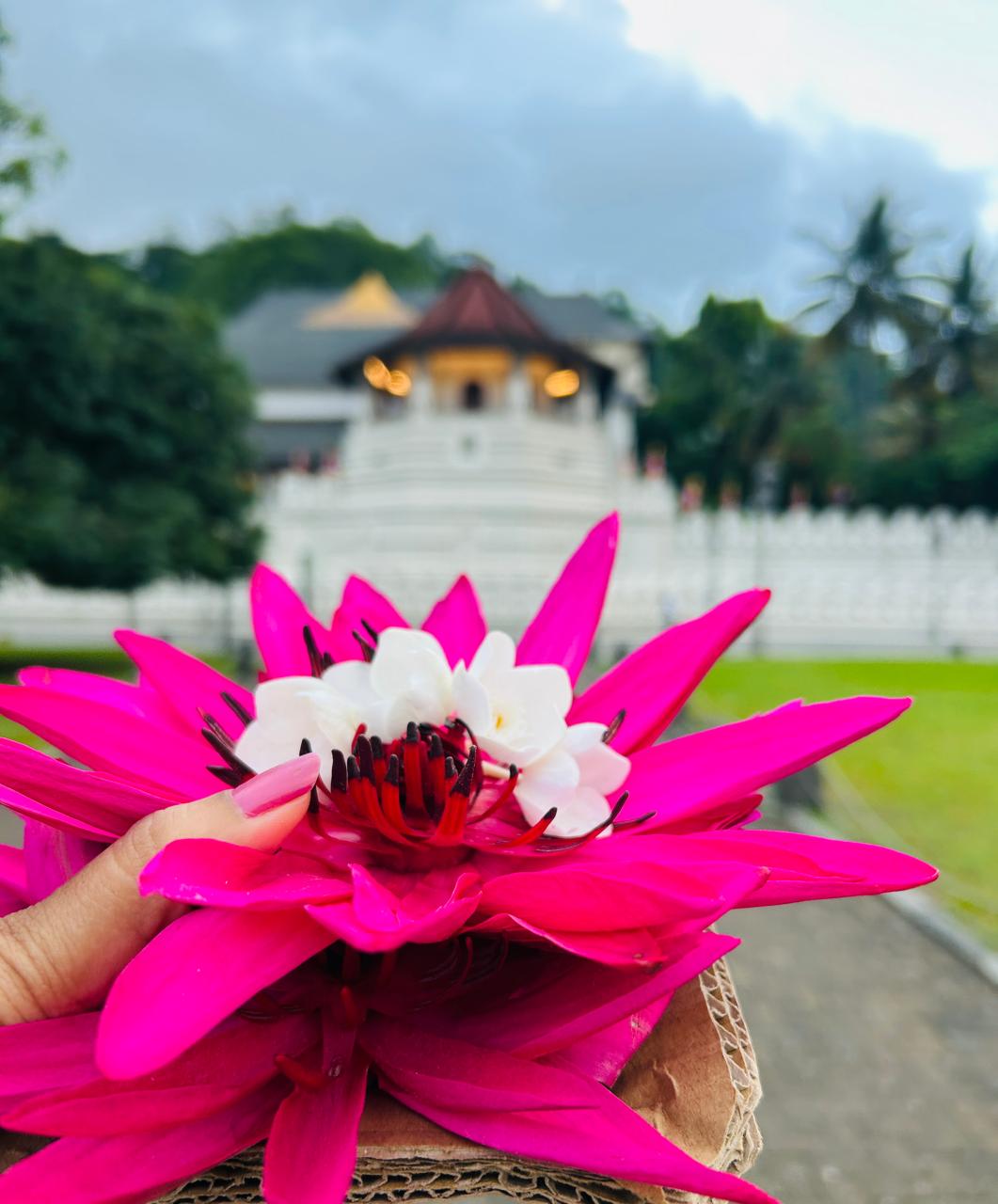
Sri Dalada Maligawa houses the Sacred Tooth Relic of the Buddha and is regarded as Sri Lanka’s most sacred Buddhist shrine. Pilgrims still arrive throughout the day with flowers, while the traditional Theva services continue in the morning, at midday and in the evening.
Why the Tooth Relic matters to Kandy
According to Sri Lankan Buddhist tradition, Princess Hemamala and Prince Dantha brought the relic from Kalinga in India during the reign of King Kithsirimevan in the fourth century. The princess is traditionally said to have concealed it in her hair during the journey.
The relic became closely connected with royal authority. As Sri Lanka’s capitals moved, a shrine was built for it near each royal palace. Kandy became its final royal home and remained the last capital of the Sinhala kings until the British occupation in 1815. The Sacred City of Kandy, including the temple, was inscribed on the UNESCO World Heritage List in 1988.
A living temple, not just a monument
The daily services are called Theva. Traditional drumming accompanies the opening of the shrine doors and the offering of flowers, food and drinks according to long-established ritual. Visitors do not see the tooth itself; the focus is the sacred chamber, the rituals and the stream of devotees paying respect.
For many Buddhists, flowers are a reminder that beauty and life are impermanent. Lamps represent the light of wisdom overcoming ignorance, while incense is associated with the cleansing fragrance of the Dhamma and good conduct. These are acts of homage and reflection, not decorations for tourists.
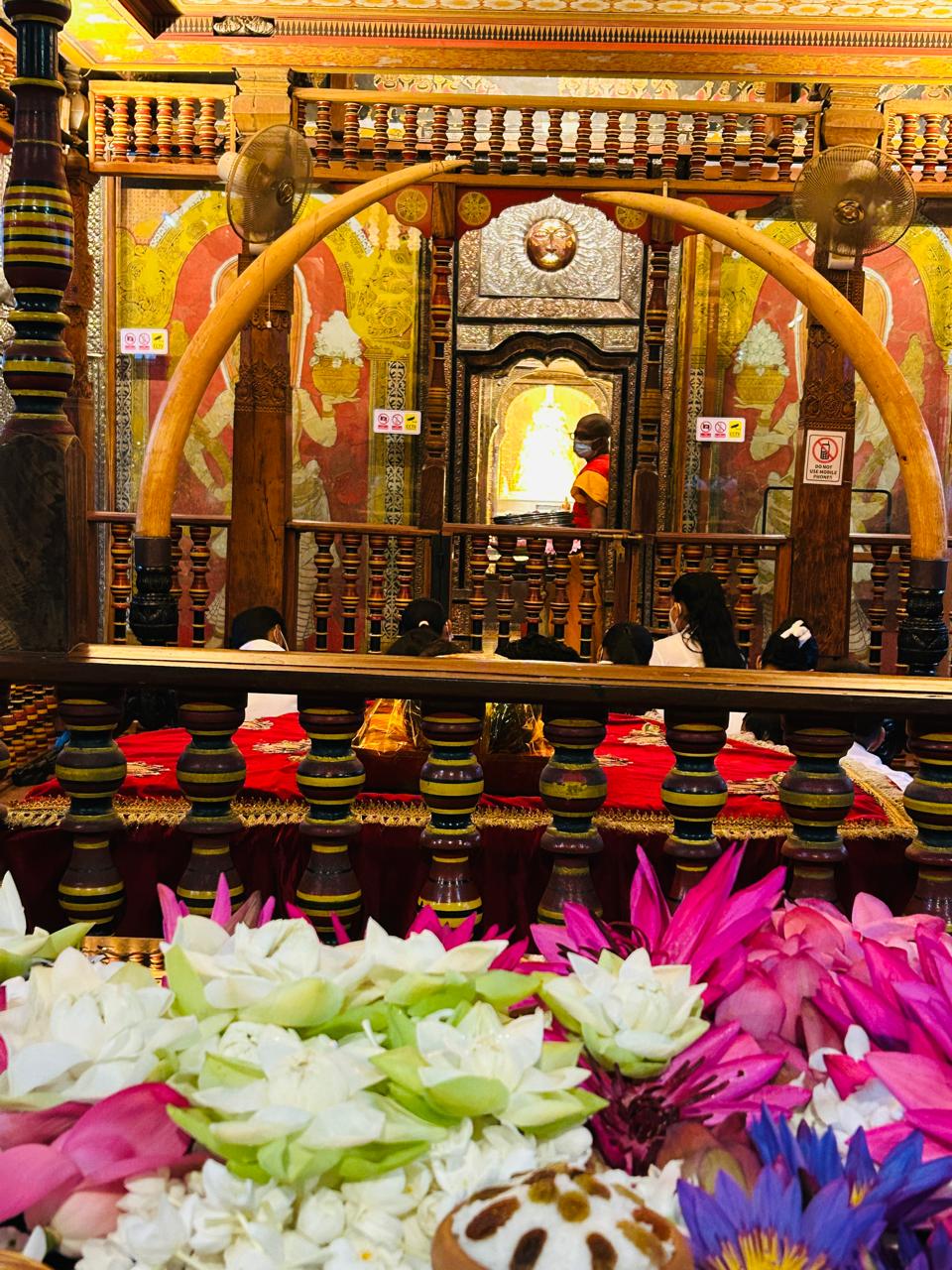
Daily pooja times and visitor etiquette
The temple’s official visitor information lists daily opening hours from 5:30 a.m. to 8:00 p.m. The three Theva periods are 5:30–7:00 a.m., 9:30–11:00 a.m. and 6:30–8:00 p.m. These are service windows rather than a promise that every part of the inner chamber remains visible throughout the full period.
Wear clothing that covers shoulders and knees. Shorts, sleeveless clothing and body-revealing attire are not accepted. Footwear and bulky items are handed over at the reception booths before entry, and visitors pass through security screening. Inside, keep voices low and avoid blocking worshippers for photographs.
Make time for Kandy Lake
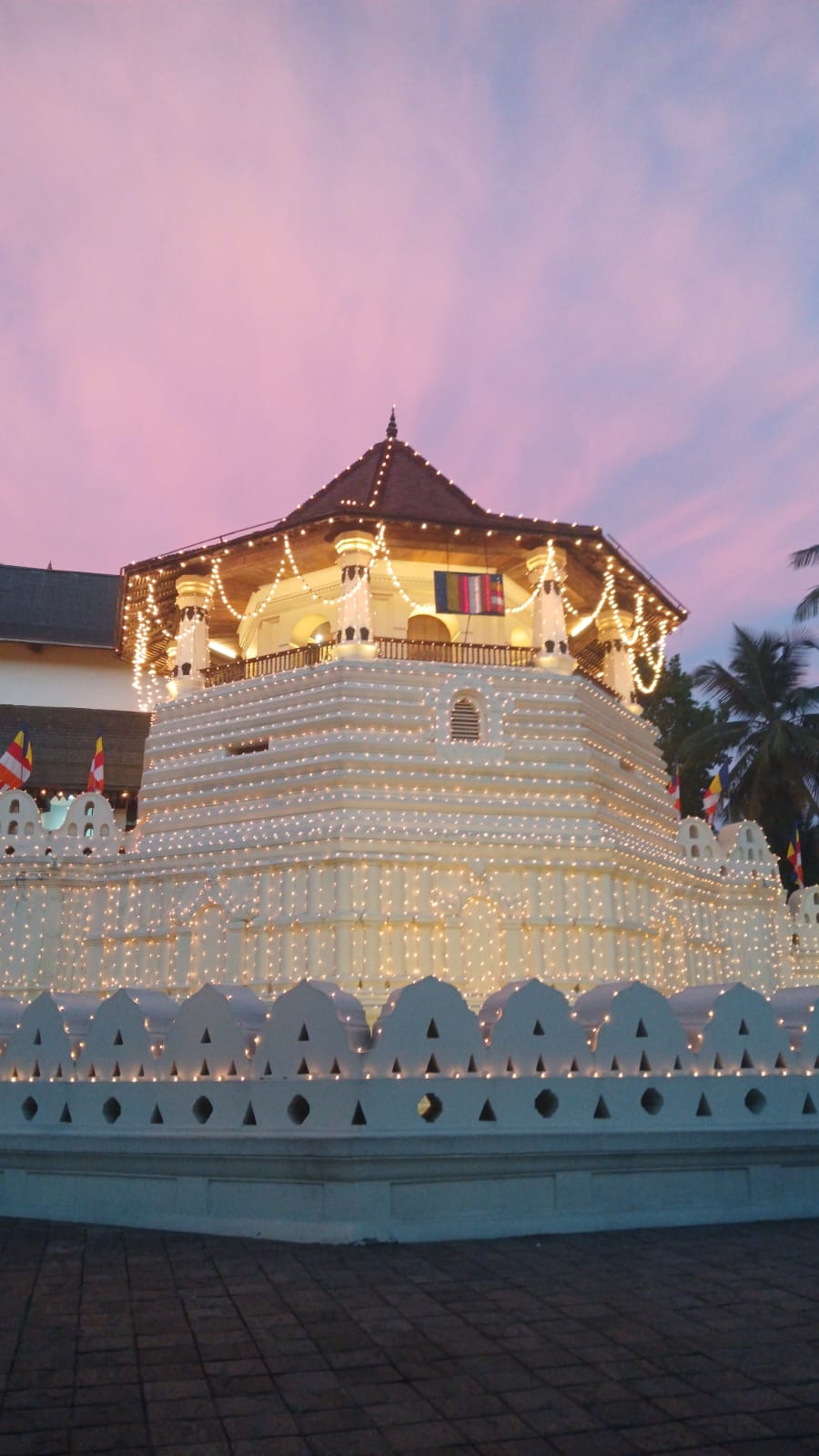
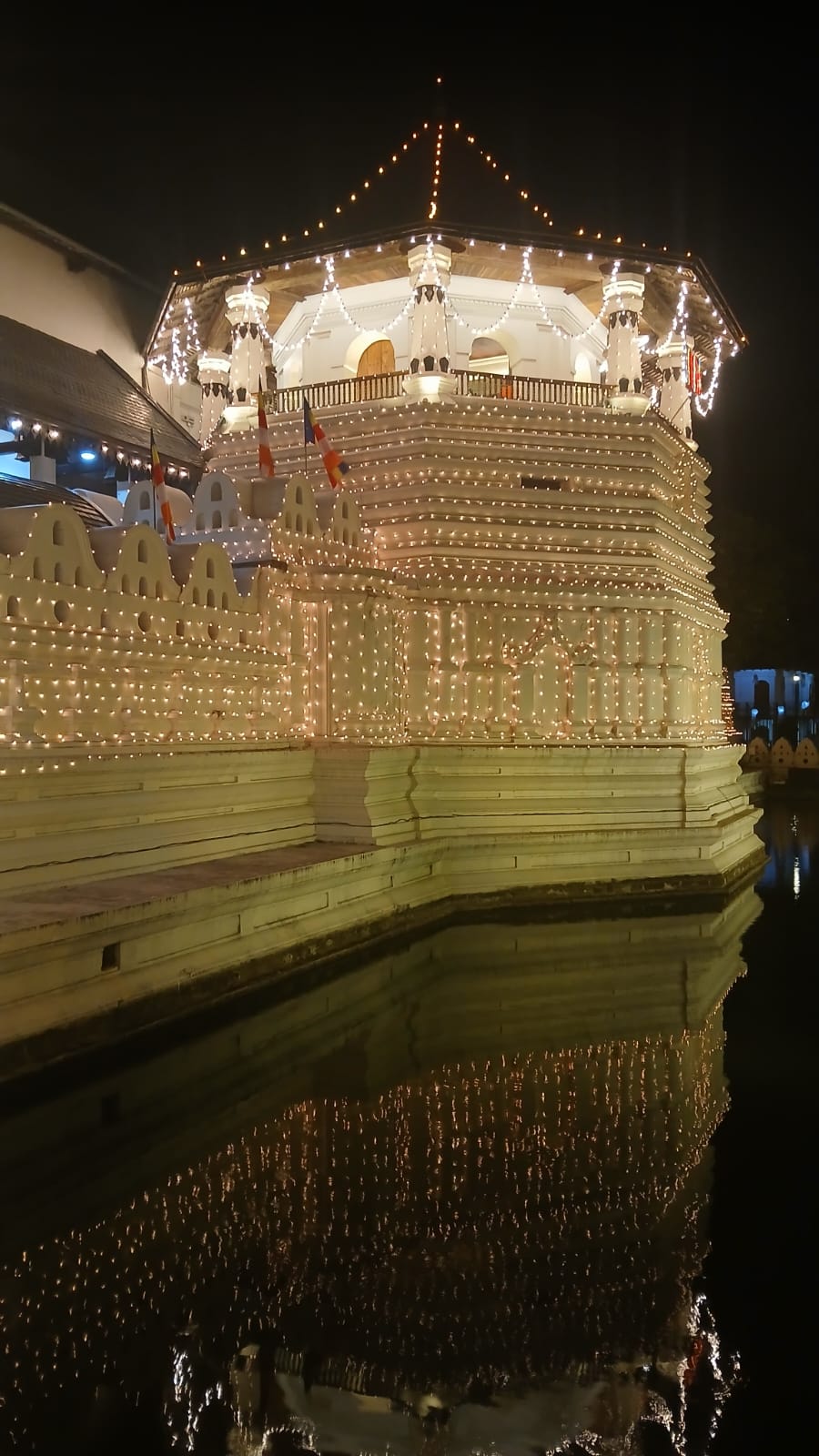
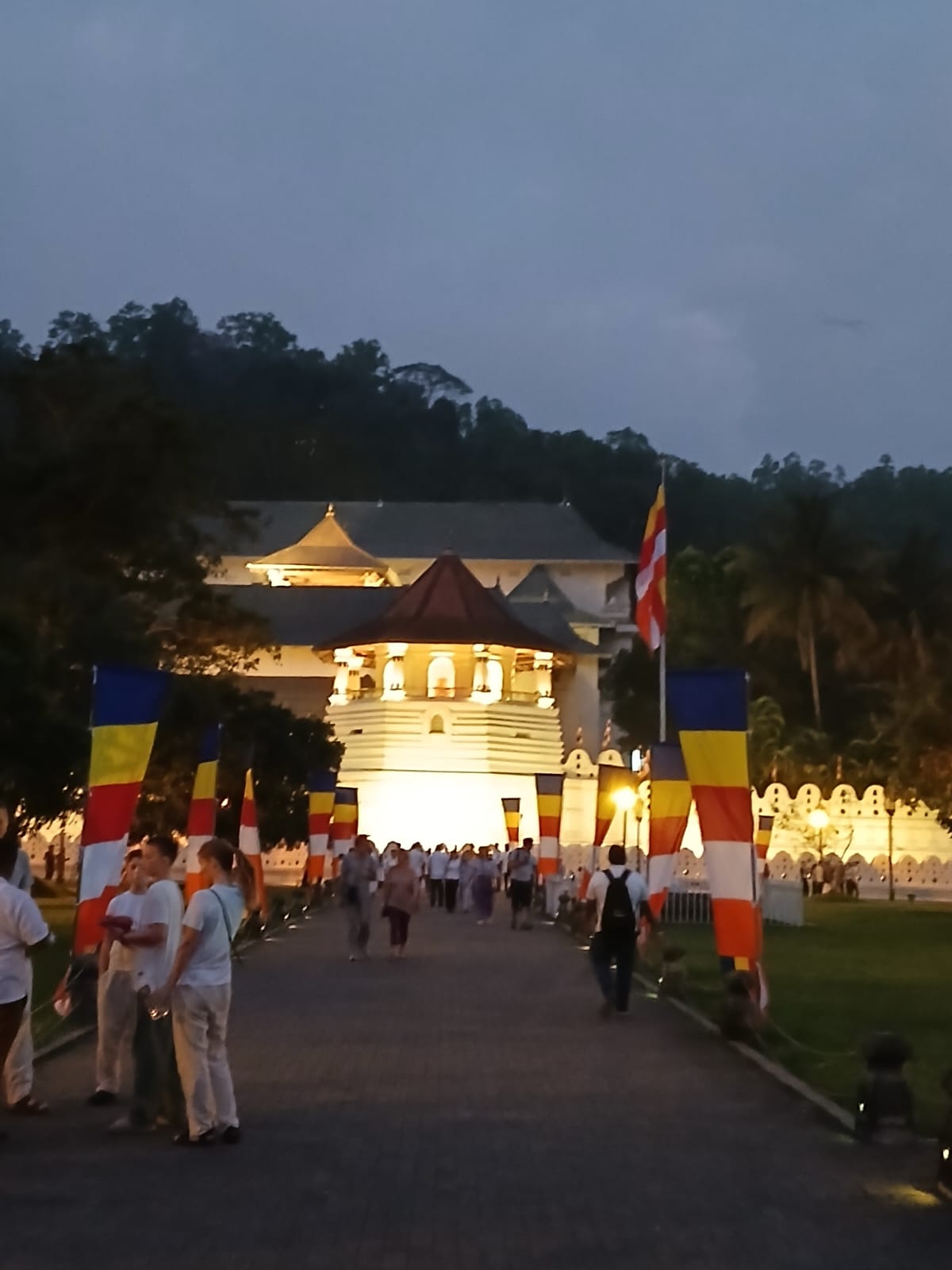
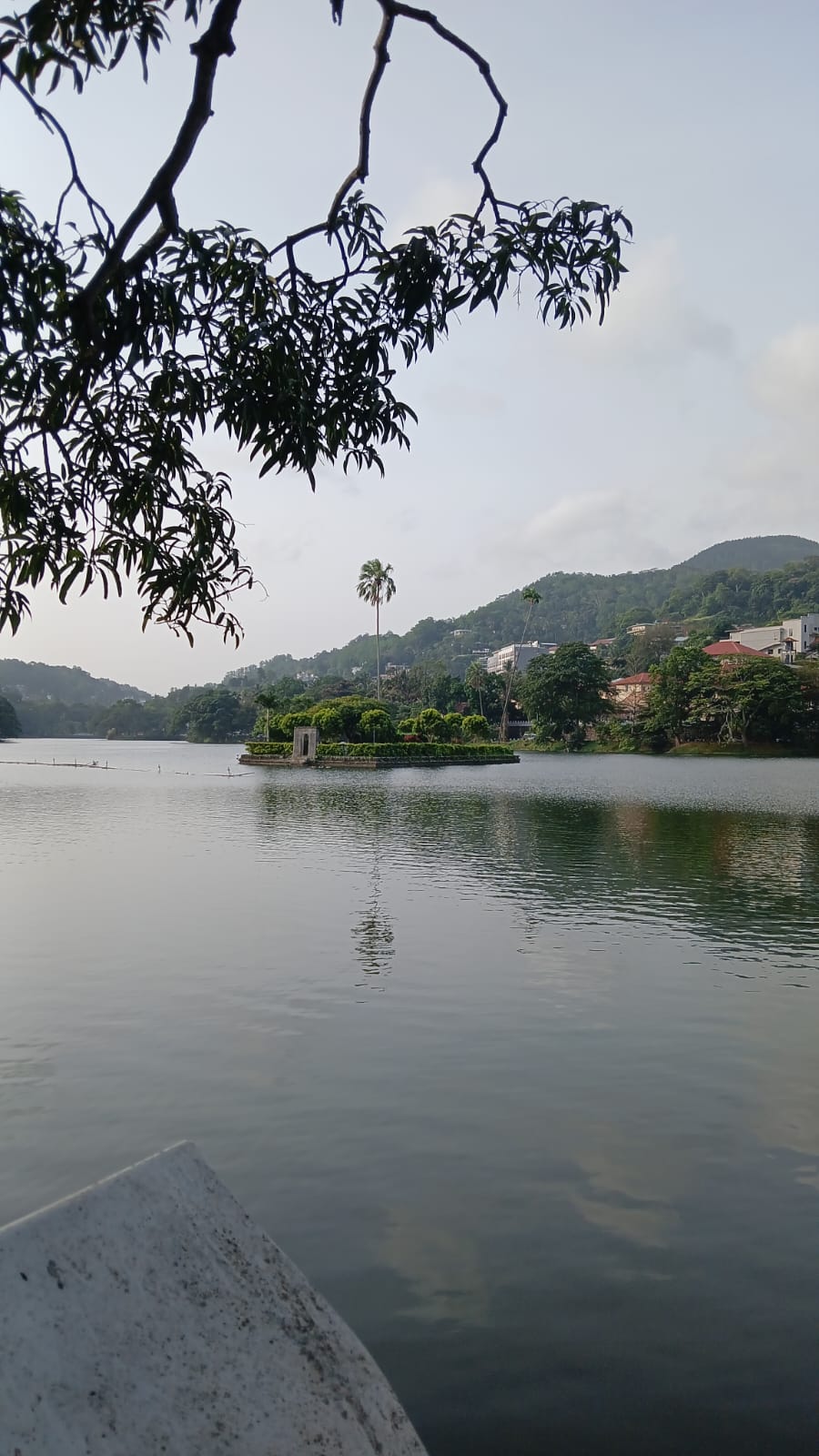
The temple stands beside Kandy Lake, so the two belong in the same unhurried visit. A lake walk before the evening service gives you space to take in the former royal setting; afterwards, the illuminated temple and the water feel completely different from the daytime view.
What happens during the Esala Perahera
The Kandy Esala Perahera takes place annually during the Esala season, normally in July or August according to the lunar calendar. Ten nights progress from the Kumbal Perahera processions to the Randoli Perahera, ending with the grand final procession and the following day procession.
It brings together five processions: the Dalada Maligawa Perahera and the four devale processions associated with Natha, Vishnu, Kataragama and Pattini. Kandyan dancers, drummers, whip-crackers, torch bearers, officials and elaborately dressed elephants move through the city. The Maligawa Tusker carries a replica of the casket associated with the Sacred Tooth Relic — not the relic itself.
For 2026, the official schedule lists the five Kumbal processions from 18–22 August, the Randoli processions from 23–27 August, the final Randoli Perahera on 27 August at 6:43 p.m., and the daytime procession on 28 August at 2:18 p.m. Treat those as the published schedule as of 23 July 2026 and check the official site again before travelling.
How I would plan your Kandy visit
On an ordinary day, I would arrive before the evening Theva, walk part of the lake first, then enter the temple without rushing. During the Perahera, central Kandy becomes a different operation: road access changes, viewing space is limited and accommodation fills early. The procession night should shape the route rather than be squeezed into an otherwise full driving day.
Tell me early if the Perahera matters to your trip. I can build Kandy into a Cultural Triangle or classic island route, allow for the road restrictions and keep the day realistic around the ceremony you want to attend.
Explore the routes
Sources & further reading
- Sri Dalada Maligawa — temple history
- Sri Dalada Maligawa — visitor FAQ and official service times
- Sri Dalada Maligawa — daily Theva services
- UNESCO World Heritage Centre — Sacred City of Kandy
- Kandy Esala Perahera — official history
- Kandy Esala Perahera — official 2026 dates
- Sri Lanka Tourism — Kandy Esala Perahera
- Buddhist Publication Society — the meaning of flower, light and incense offerings