Travel Guide · Culture & crafts
The Fascinating World of Sri Lankan Traditional Masks
Colourful faces, stories told through dance, and the hands that keep a coastal craft alive. Discover the traditions behind Sri Lanka’s wooden masks.
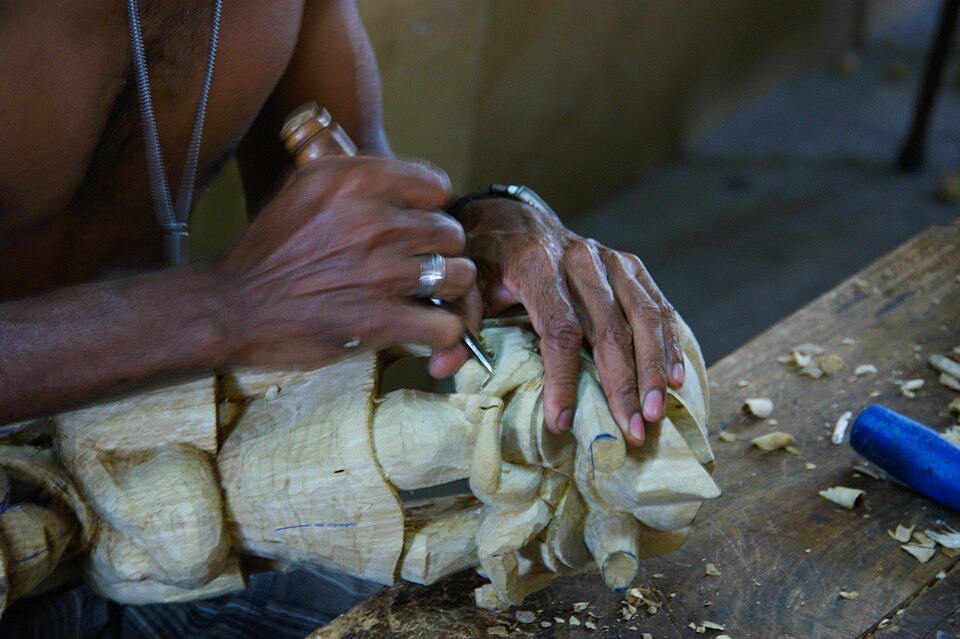
Photo: Dan arndt (2012) · CC BY-SA 4.0 · Resized by Wikimedia; display may crop
Bright colours, huge eyes, dramatic expressions and mythical creatures: traditional Sri Lankan wooden masks catch your attention immediately. Look beyond their striking faces and you will find stories of dance, theatre, ritual and belief.
A tradition passed down through generations
Ambalangoda, on Sri Lanka’s southern coast, is an important centre for traditional mask carving. Craft families have passed the skills of carving and painting wooden masks from one generation to the next. At the Ariyapala Mask Museum, that heritage is presented through both the collection and its workshop.
These masks were created for particular performances and rituals. Three traditions to look for are Kolam, Raksha and Sanni. Learning which tradition a mask belongs to turns an attractive object into something you can begin to understand.
Kolam masks — stories through dance
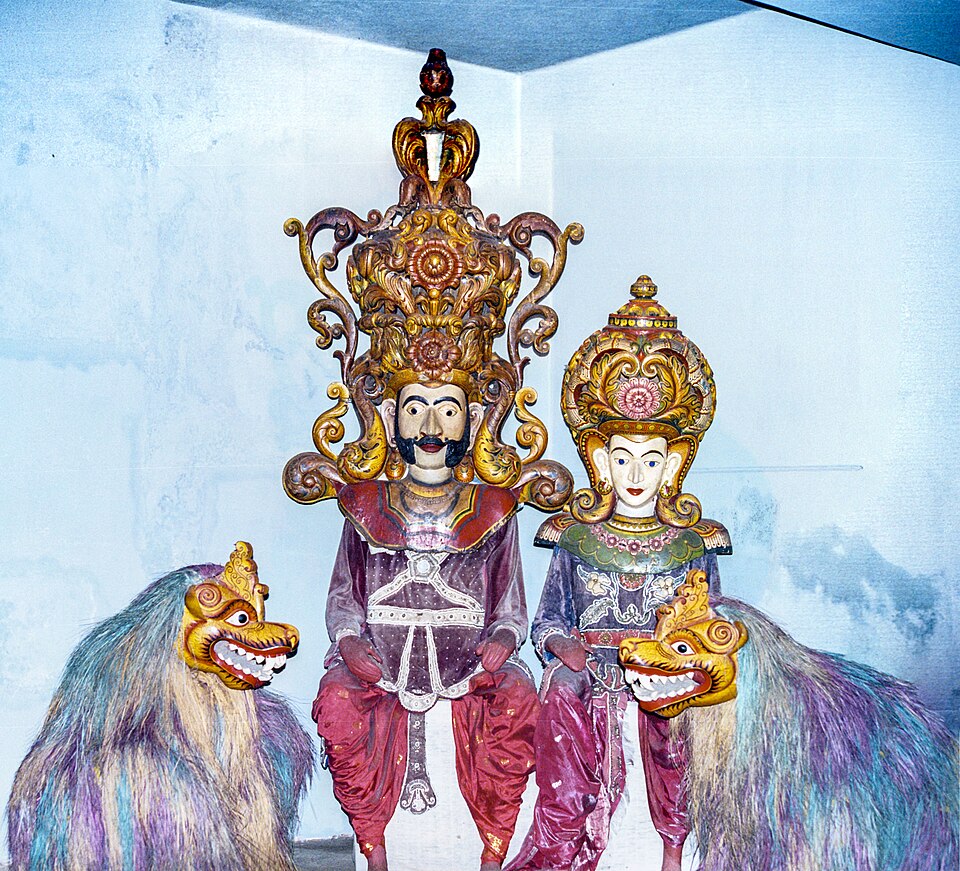
Kolam is masked folk theatre, bringing characters to life through performance, humour and storytelling. Its cast includes kings and queens, officials, villagers and comic figures. Exaggerated faces make the characters memorable; satire and social commentary give the performance another layer.
The museum’s descriptions include a drummer announcing a royal visit, a village chief, a soldier and royal characters. When you look at a Kolam mask, ask who it represents and what role that character plays in the story.
Raksha masks — powerful and colourful
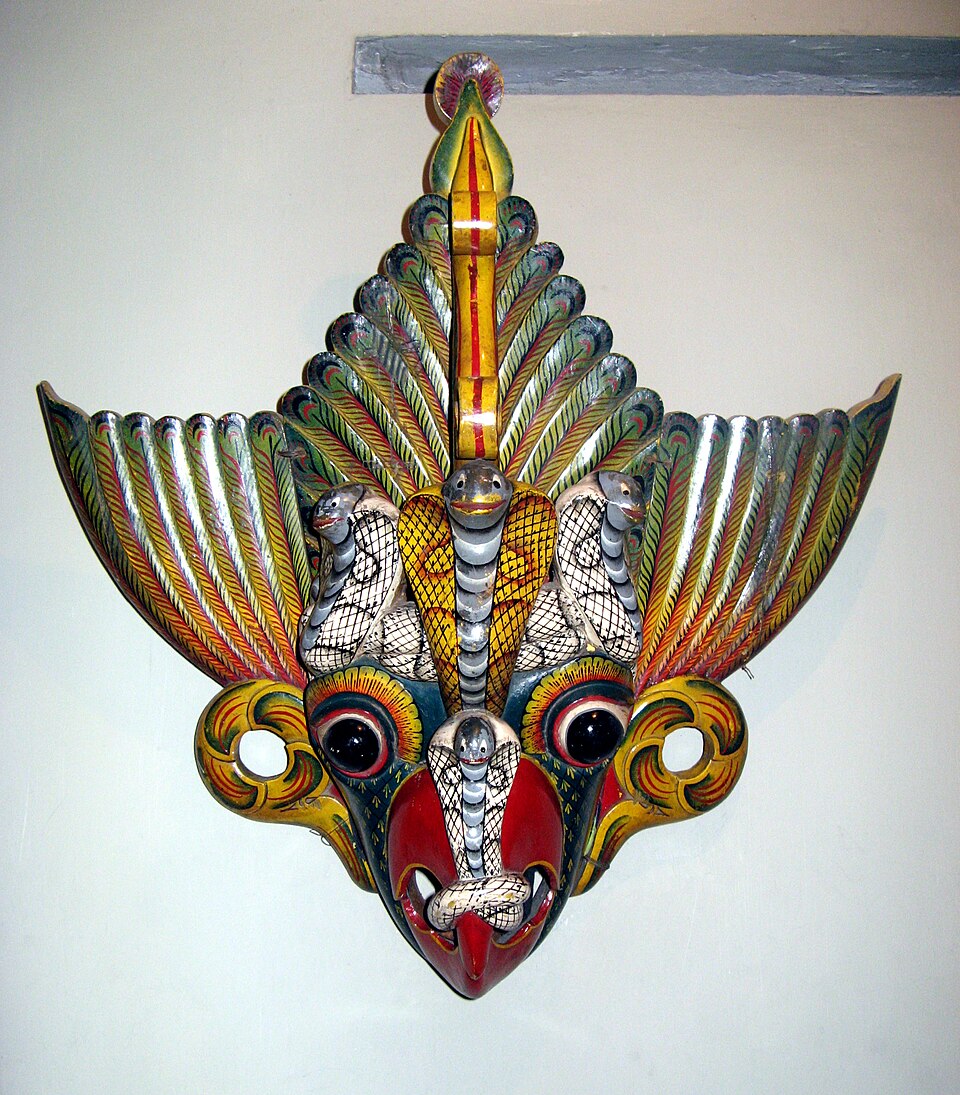
Raksha masks are among the most dramatic designs. Bulging eyes, projecting tongues, teeth, serpents and bird-like features create a powerful impression. The Ariyapala museum associates these masks with ceremonial dances, festivals and processions. Their appearance belongs to a world of performance and symbolism, rather than decoration alone.
Sanni masks — the 18 traditional figures
The Sanni tradition is associated with 18 figures, each linked in traditional belief to an illness or form of suffering. Masks appear in ritual performances connected with ideas about healing and removing harmful forces.
Today, they are an important part of Sri Lanka’s artistic and cultural heritage. Understand them as ritual objects and folklore, not as medical treatment. A museum visit offers a way to learn about the beliefs and characters with context and respect.
How are Sri Lankan masks made?
A traditional mask begins with wood and patient handwork. Carvers shape the wood, cut the facial details and finish the surface before painting. Every eye, tooth and decorative feature helps define the character. The opening photograph shows part of that carving process in Ambalangoda.
The Ariyapala museum describes a sequence of preparing, whittling, carving and polishing the wood. Looking closely at an unfinished piece helps you appreciate how much work sits beneath the finished colours.
Visit Ambalangoda and discover the story
If you are planning a south-coast journey, consider adding Ambalangoda as a cultural stop. The Ariyapala Mask Museum presents masks alongside a workshop and information about the tradition. Ask about the characters, the carving process and the distinction between an exhibit and a mask made for sale.
Confirm opening arrangements and any workshop demonstration directly before visiting. A demonstration or performance should not be assumed to run whenever you arrive. Ask before photographing craftspeople or exhibits, and allow time to listen rather than treating the stop only as souvenir shopping.
Explore Sri Lanka with Ceylon Drives
Your itinerary should leave room for the stories that interest you. Tell Sahan your dates, group size, starting point and whether you would like an Ambalangoda mask museum stop. He can check how it fits your route and confirm transport, availability and costs in your written quote.
Use the trip-planning or WhatsApp button below to start the conversation. Culture, beaches or a little of both: the route can begin with what you want to discover.